
Stand in the love (aroha). Be true to the love within you.
A whakatauākī (proverb) by Whaea Moe Milne
The following is an extract from the book ‘Aroha’ by Dr Hinemoa Elder
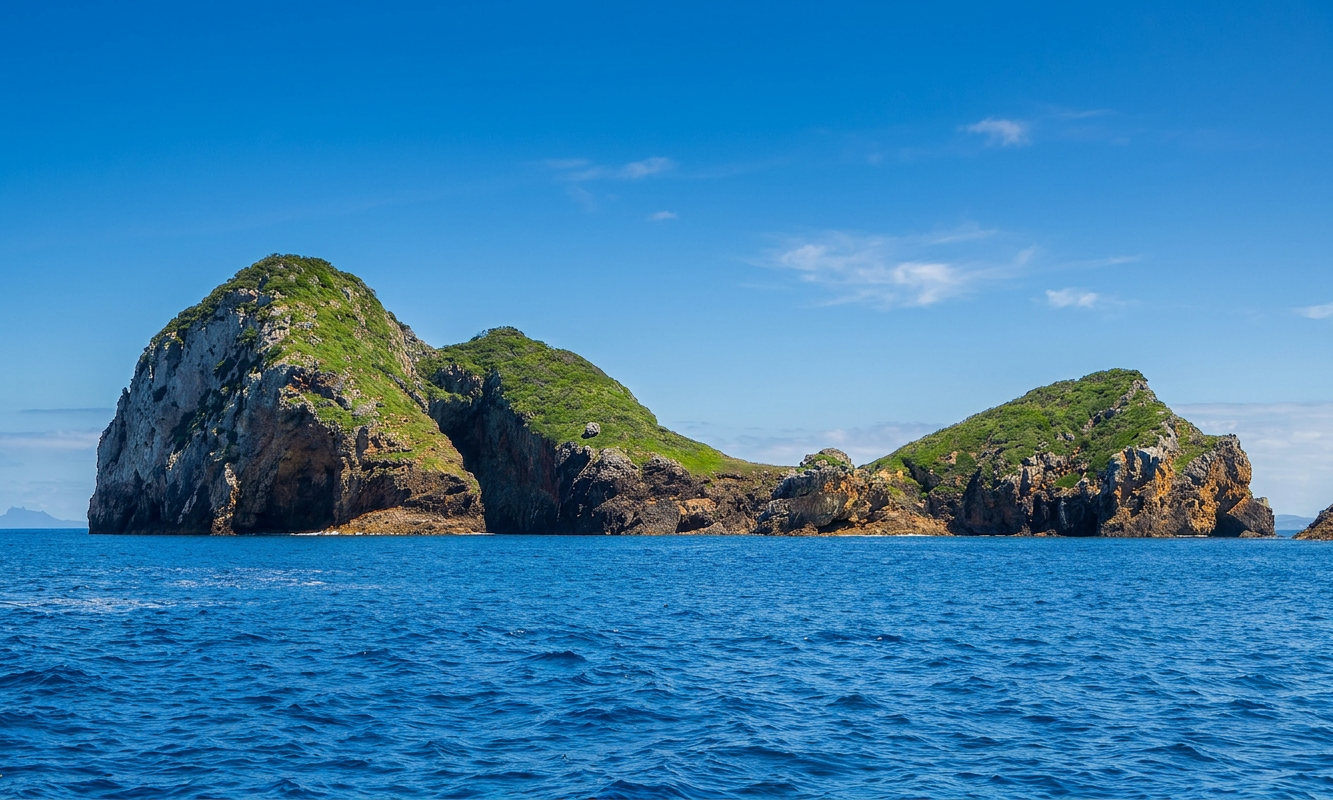
Parengarenga is the ocean, Waimirirangi is my ancestor, Tawhitirahi is the mountain, Awapoka the river, Pōtahi is one of my marae – these are my tribal affiliations and this is the aroha I stand in.
You may wonder, what is the point of that introduction? It is a pepeha. You saw it at the beginning of this book. It locates me in time and space according to the places of my ancestors and their stories. It grounds me and it weaves together multiple layers through which we Māori see connections between us. Pepeha are increasingly used by non-Māori too. In this way, who I am, the important aspects that make up my identity are made visible to you. That is the purpose of pepeha – building relationships. Our lands, seas, mountains, rivers, lakes are so powerfully, so tangibly part of our identities here in Aotearoa. When we say the names of our places we can instantly be transported there, to those places and their stories, we can be in those memories, and this is part of how we know who we are. Such is the power of our minds.
Whaea Moe Milne, one of my esteemed female mentors and guides through my life and career coined this whakatauākī when we were working together to develop a kaupapa Māori (by Māori, for Maori) child and adolescent mental health team. She taught me that when I am reciting my pepeha I need to see and feel myself in those places that I speak of. I must stand on my mountain, be in my ocean, my river, be in my meeting house and be with my ancestors. For me, this links so intimately with her other teaching about standing in the love. Because this is how we can experience the aroha that emanates from the land, from the sea, from our mother earth.
Aroha is a divine feeling. It is strong and it is never- ending. It comes up out of the ground. We feel it in the warmth of our marae, and with our ancestors, in the places they walked, swam, loved. This ancient love is tangible. We breathe it. We activate and reinvigorate it when we use our pepeha.
This is not the exclusive domain of Māori. All ethnic groups have traditions that ground peoples and places together. What I love is that we Māori have this potent, time-honoured tradition of pepeha, which makes our identity very clear. What pepeha does is firmly lays down a kind of welcome mat on which we can then discover how we are connected through the stories and peoples of our lands, across Aotearoa and the world.
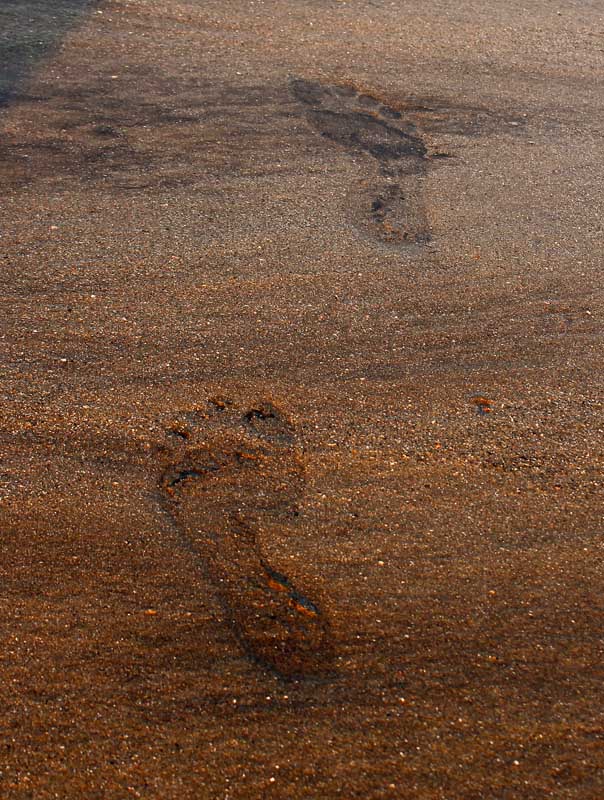
I have a vivid memory of a whānau reunion at Ahipara. I can picture the beach of my youth in my mind. My eye balls stretching to take it all in. The thumping of the waves, the light shimmering on the water, blinding. I can feel the sand under my toes, soft and scrunchy and I can see the imprint of my feet as I retrace my steps back to my laughing relations.
Going back to that childhood memory makes me smile. It has that primordial pull. And there is more than a tinge of sadness. I think about my mum in the same moment, she’s sitting next to me. My mum who gave me this connection to that laughter, that beach, that ocean. She didn’t speak te reo Māori, she was part of those generations where ‘being Māori’ was actively discouraged, sometimes with violence. This hurt her. She cried about it.
I see the same pain in the eyes of the young people, many of whom are my whanaunga, my relations, who I see for assessments when I write court reports. They often tell me, jokingly ‘I’m a bit of a plastic Māori, I don’t know where I’m from.’ They can’t tell me their mountain, their river, their places and their histories.
Their stories are waiting to be found, to be brought to life. If you don’t know your story, seek it out. I have seen with my own eyes how powerful learning pepeha can be. The transformation when our taiohi, our young ones, learn their pepeha at the Kōti Rangatahi (youth court) held on marae. It gives me goosebumps thinking about it now. There is a squaring of the shoulders, a new, warm and confident eye contact, a sense of healthy identity, a sense of direction, if you will. A resetting of the cultural compass. And it’s portable. They can now take that with them wherever they go. It’s protective.
So you can probably picture me in those assessments when I’m meeting our taiohi in my role as court report writer. I’m unashamedly using the connections with my own pepeha and whatever I can glean about theirs. Pepeha work like a kind of uniting code – following clues, you can put into words the connections that bind us all together.
My experience has shown me that pepeha are the heart of, literally, a bringing home, to your self, to your own. Like I say, this is not the exclusive domain of Māori. How might you explore your own cultural traditions of places that are meaningful to you and your ancestors and bring that forward? How can you bring to life that intimate connection with the places of your forebears and harness that portable healthy identity? When you need strength, can you call to mind the lands in which you were born?
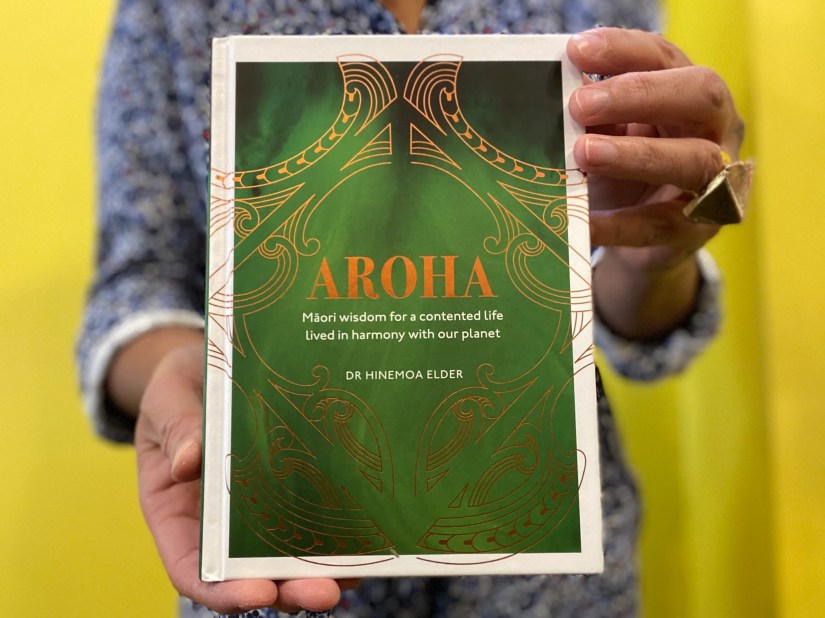
“Aroha: Maori wisdom for a contented life lived in harmony with our planet” by Dr Hinemoa Elder
A book that reconnects! Thanks to my friend Katie for recommending this whakatauākī and this book.
Dr Hinemoa Elder is a New Zealand youth forensic psychiatrist and a professor in indigenous research. Read more about this author here


