This last month has seen a huge community effort in our community, here at the Southern tip of South Africa. We’ve been collaborating with Poison-free Peninsula, national organisation Unpoison SA, and numerous other communities who have been working to counter the City of Cape Town’s plans to spray chemical herbicides onto streets and sidewalks across the City. In order to control the ‘weeds’ on roadsides, the City has contracted for the use of KleenUp, whose main ingredient is glyphosate. Glyphosate, most commonly known to be the main ingredient in Monsanto (now Bayer’s) product RoundUp has been under scrutiny since 2015 when the International Agency on Research on Cancer found glyphosate to ‘probably’ cause cancer. Since then many countries have restricted use, with some looking to ban it completely.
Not only is glyphosate dangerous for human health, it negatively impacts soil health and biodiversity. Glyphosate binds tightly to soil. It can persist in soil for up to 6 months depending on the climate and the type of soil it is in and has been found to kill populations of micro-organisms and fungi, changing the balance of soil ecosystems, in turn affecting longer-term plant health.
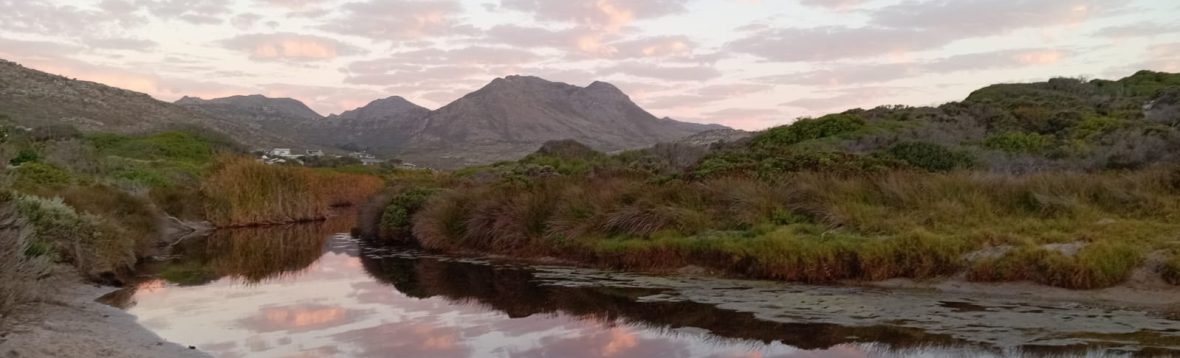
Here where we live in the iconic Cape Peninsula, there is a concentration of unique and rich biodiversity and eco-system diversity, found no where else in the world, and in Scarborough we are also guardians of a critically endangered wetland that supports precious populations of plants, amphibians and birds. Spraying glyphosate had to be stopped!
We are delighted that through a huge community effort of demonstrating the lack of support for chemical spray, and willingness within the Community to take over the responsibility for weed control on roads, Scarborough and Misty Cliffs are two suburbs that have been added to the City’s spray exemption schedule. It’s a huge local win, and at the same time, there’s lots more work to be done to remove glyphosate and other chemical herbicides entirely from South Africa. It’s still being used prolifically by the City on roads, in school grounds, on golf courses and within our food systems.
If you are interested in joining in the campaign to Unpoison South Africa, get in touch with Anna at unpoisonsa@gmail.com.
Yesterday was the UN “World Environment Day”. under the theme BeatPlasticPollution. And on 8th June it will be the World Ocean Day. Two drops of awareness in a vast ocean of Great Unravelling, which made me wonder what is being done in the country I call home, South Africa. Whilst we do have admirable local initiatives to clean our beaches, ecobrick and recycle ‘sea plastic’ into art, it made me realise I have no idea if,in the meantime, there are any lobbies working towards the actual ban of single use plastics in our country. Is the government -immersed in other energetic and economic challenges and scandals – needing more pressure from citizens? Do we not, as an economically privileged country within the continent have a certain responsibility to pioneer political and technological innovation in that field? What can we do on an individual level to make the ban happen?
Last week a small group of activists created a social media group and urged participants to request the ban of the use of harmful Round Up pesticides in the highly sensitive Cape Peninsula biodiversity hotspot we live in. It only took the support of a few hundred concerned residents writing letters to their local ward councillors and the extra initiative of a few of them to take the matter right up to the Premier of the Western Cape Province, where it was taken very seriously. It was an inspiring course of events for many, illustrating that we should not consider any action to be powerless, and how fast shift can happen nowadays. We all care, we all care for our mother. Some emerging political programmes are deeply engaged with her cause. Even if we have been programmed to believe nature is a machine, and corporate greed is still a widespread habit, in all areas there is knowing that radical change is necessary and urgent.
A shift to a more ecological civilisation is underway. Hereunder is an article published by theconversation.com
“Single-use plastic bans: research shows three ways to make them effective”
Published: January 13, 2023 8.15am SAST Authors: Antaya March, Steve Fletcher and Tegan Evans, University of Portsmouth, UK
Governments around the world are introducing single-use plastic product bans to alleviate pollution.
Zimbabwe banned plastic packaging and bottles as early as 2010. Antigua and Barbuda banned single-use catering and takeaway items in 2016, and the Pacific island of Vanuatu did the same for disposable containers in 2018.
The EU prohibited cotton buds, balloon sticks, plastic catering items and takeaway containers, including those made from expanded polystyrene, in 2021.
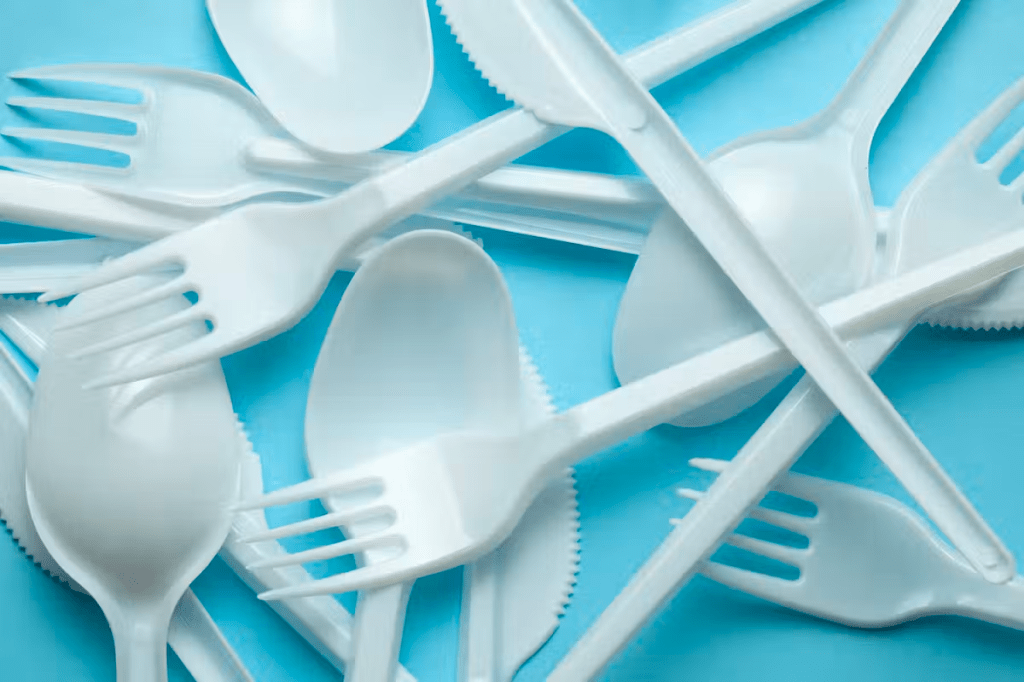
The UK government has followed suit by announcing a ban on the supply of single-use plastic plates, cutlery, balloon sticks, and polystyrene cups and containers supplied to restaurants, cafes and takeaways in England. The measure will start in April 2023. The same products sold in supermarkets and shops will be exempt from the ban, but subject to new regulations expected in 2024.
While the forthcoming ban is a step in the right direction, the production, use and disposal of plastics typically spans several countries and continents. The success of any policy aimed at restricting the use of plastic products in one country should not be taken for granted.
Our research continues to highlight that policies which influence what consumers buy, such as bans, taxes or charges, lack the reach to confront the global scale of pollution. The effect of banning single-use plastic items is limited to the jurisdiction in which it is implemented, unless it inspires a wider shift in public or commercial behaviour across international boundaries.
Without supporting measures, or by failing to treat the ban as the beginning of a broader phase-down of plastic, banning some items does little to change the attitudes which reinforce a throwaway culture.
The Global Plastics Policy Centre of the University of Portsmouth reviewed 100 policies aimed at tackling plastic pollution worldwide in 2022 to understand what makes them successful. Here are three key lessons which can make [bans] more effective.
Make it easy to use alternatives Consumers and businesses are less likely to comply with a ban if they are expected to go entirely without plastic overnight. Ensuring businesses can source affordable alternatives is critical. Antigua and Barbuda did this by investing in the research of more sustainable materials and listing approved alternatives to plastic, such as bagasse, a byproduct of sugar-cane processing.
To maintain public support, it helps if there are measures which prevent cost hikes being passed directly on to consumers.
Alternative materials or products must have a lower environmental impact than the banned product, but this isn’t always guaranteed. Substituting plastic bags for paper, for example, may not be the best idea when the entire life cycle of a product is accounted for.
Phase in a ban A phased approach to a ban improves how well it works but requires consistent and clear messaging about what products are banned and when. In Antigua and Barbuda, phased plastic bag bans in 2016 and 2017 generated support for banning other plastic products between 2017 and 2018.
In both cases, importing these products was restricted first, followed by a ban on distributing them, which gave suppliers time to find alternatives and use up existing stock.
This approach was used to good effect in an English ban on plastic straws, cotton buds and stirrers in 2020, allowing retailers to use up their supplies during the six months following the ban’s introduction.
Involve the public Information campaigns which explain why a ban is needed, what it means for the public and businesses and what alternatives are available serve to support a ban. This was evident from Vanuatu, where the inclusion of diapers in a ban was postponed due to public concerns around the availability of sustainable alternatives.
Working closely with the public like this can also encourage innovation. For example, in Vanuatu in 2018, weavers and crafting communities filled the gap left by banned plastic bags and polystyrene takeaway containers with natural alternatives made locally, including bags and food containers woven from palm leaves.
Single-use plastic bans can inspire wider changes to social systems and the relationship each person has with plastic. But without planned access to alternatives, a phased introduction, efforts to nurture public support and broader consideration of the entire life cycle of plastic, product bans have a limited effect on plastic pollution, and can even give the false impression of progress.
Thanks to the writers of this article. Various ideas here are examples of what could soon also happen in South Africa if we have enough voices and consensus.
If you want to read more of their articles, every Wednesday, The Conversation’s environment editor writes Imagine, a short email that goes a little deeper into a “climate” issue. Check their website.


 Gaia Speaking