Articles, Events & Reviews, Festival, Practices, Resources & Networks, Work that Reconnects (WTR)

We joined the Eco…Lution!

Last week, I was in Sedgefield, Western Cape, as facilitator and participant of the festival Ecolution. A small intimate festival celebrating our connection to the local environment. The festival focuses in particular on the wildlife corridors though the Well Being Sanctuary Land, in connection to wider Garden Route areas. Therefore, amidst other activities of dance, live music, drumming, talks and swimsโ€ฆ we planted about 1000 trees, introducing more indigenous species and allowing the emergence and regeneration of ecosystems, in turn rewilding safe and natural passage for more-than-human beings.

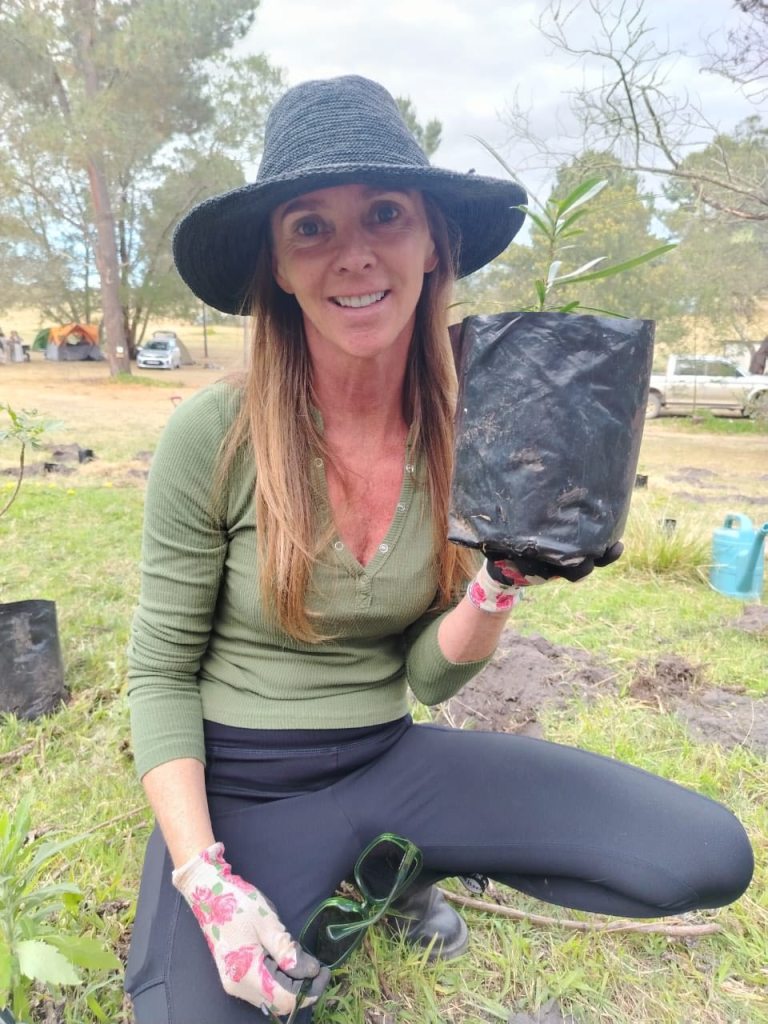
Hereunder I reproduce a post by Mariette Carstens, the custodian of the land… And is a photo of her with her fellow being of the collective yellowwood.

I feel very emotional about this post!

It has taken me a few days just to land with and integrate the magic that folded here at Ecolution Festival 2025

๐ŸŒฑโœจ This weekend, something extraordinary happened in my life and Well-Being Sanctuary.

Togetherโ€”with children, elders, dreamers, and doersโ€”we planted 1,000 trees across our sacred sand dune. The first day, 700 trees found their home in pre-dug beds of possibility. The second day, we dug and planted 300 more, each one a prayer for the earth, a promise to the future.

We did this as part of the Ecolution Project, expanding the wildlife corridor that runs through our landโ€”linking Sedgefield and moving towards Keurbooms River, all the way to Addo Elephant Park. Imagine thatโ€ฆ a living bridge for birds and all wild beings to roam freely once more.

This was not just reforestation. It was restoration. Celebration. Collaboration.

With deep gratitude, I want to thank:

๐ŸŒฟ Butterfly Foundation – you are doing incredible work accross the world. We will continue next week as the South Africa Nomads join us with Travelbase to plant even more trees. This is conscious traveling.

๐ŸŒฟPrecious Tree Project NPOโ€”for your rooted wisdom and partnership.

๐ŸŒฟAntony Stone, The Rondevlei Learning Centre and Kula Malika, and the Swartvlei communityโ€”for standing with us in this vision.

And to the children of ALL AGESโ€”who laughed, dug, danced, and planted with muddy hands and shining eyesโ€”you are the heartbeat of this movement.

Hereโ€™s to joy, to soil, to sacred action.

๐Ÿ’š โ€œTo plant a tree is to believe in tomorrow. It is to place hope in the hands of time and trust that love will grow roots.โ€

My ๐Ÿ’š is full

My partner and co-faciltator Simric Yarrow and I inaugurated a Spiral โ€˜playshop’ including different drama games to embody the Four Stages of the Spiral – Gratittude, Honouring our Pain for the World, Seeing with New and Ancient Eyes and Going Forth-. Again, as with previous new formats we experiences that ritual, coupled with embodied practices AND what has been called ‘Eco-poetic’ languages can intensify reconnection and understanding on more-than-intellect levelsโ€ฆ body intelligence at work, fun and pleasure too.

Looking forward to next year’s Festival and look forward to seeing you there too.

Articles, Events & Reviews, Work that Reconnects (WTR)

Ripples of Remembrance

In Memoriam, Continued

Last month, on 23rd August I had the pleasure to hear more heartfelt stories – and the song below – from some of Joanna Macyโ€™s closest friends and family, in a public remembrance hosted by the Purpose Guide Institute online.

I invite you to have a new look at the In Memoriam page of the Work that Reconnects to read more testimonies and discover or learn more about the founder of the WTR.
https://workthatreconnects.org/joanna-macy-in-memoriam/

It felt intimate and generous to learn more about her from those who knew her most and it also held testimony of the impact of her teachings on everyone.

Far from being as grand as the Dalai Lama, or as austere as her friend Thich Naht Hahn was, she was down to Earth and honest with all her feelings, extremely passionate and not shy of her crazy (we all have it though some of us hide it, right?:-)). Those of us who spiral the Work that Reconnects and who knew her direct or indirectly have laughed and cried at her intense capacity to intensely love every being on the Earth, not always in a โ€˜niceโ€™ way, but always generously.

I am becoming suspicious of guru figures, especially as I am worried lately about the danger oI am quite suspicious of guru figures, especially as I am worried lately about the danger of โ€˜spiritual bypassingโ€™ taking the focus away from the pressing calls of ecocide. We are most adept nowadays to follow the Western dominant culture and therefore to busily create new solutions that may often themselves become part of the problem, following the same old โ€˜business as usualโ€™ growth patterns. We need to continually remember to question why we do what we do, and honestly think what we can do differently, each step of the way in this Great Turning we share.

Joanna Macy, though famous, felt like a simple channel of honest, fierce love. She expressed Life through her own powerful heart-mind and her wise words, yet at the same time she had lost attachment to her body and to her own beliefs, swimming skilfully in what she called โ€œthe collective moral imaginationโ€.

I have only met Joanna Macy once in person in a break out room and in those few minutes I felt that she could โ€˜readโ€™ through me. I think she could read love in all its colours, in all its textures and all its manifestations. She could decipher love when present in humans or โ€˜more than humansโ€™, either in a leaf, or in a song. She could also detect love in the pain that it causes and not only its joys. From the darkest night of the soul, Joanna Macy would be able to bring back the gold. And that is why she said she was sad to leave us – although sometimes she felt like humanity was the captain of a โ€œsinking shipโ€- for she would have loved (wholeheartedly, with both grief and awe) to be a part of the next chapter of humanityโ€™s adventure, as uncertain as the outcome may be.

We hosted a Song that Reconnects Circle in remembrance of Joanna last month on 12th August in Glencairn. It was as always very connecting to open our hearts and voices simulteneously. And this time was specially moving, as we scattered quotes extracted from some of Joanna’s books: World as Lover, World as Self, Widening Circles, Coming Back to Life, Active Hope. I am sharing them hereunder, for your reflection.

These gatherings online and in person, and all the readings I have done lately as I delve into fresh archival memories, have reminded me yet again – as does the writing of this WTR newsletter loyally each month – how affirmed I feel by the depth and the reach of this moving body of work and the people who work it. As diverse as are the constituents of the beloved moving body of Earth. Always looking for ways to reconnect life, to reconnect to life.

by Joanna Tomkins

QUOTES BY JOANNA MACY: (read during Songs that Reconnect, 12th August 2025, Glencairn, Cape Town)

โ€œGratitude for the gift of life is the primary wellspring of all religions, the hallmark of the mystic, the source of all true artโ€ฆ. It is a privilege to be alive in this time when we can choose to take part in the self-healing of our world.โ€:

โ€œIn the face of impermanence and death, it takes courage to love the things of this world and to believe that praising them is our noblest calling.โ€

โ€œGratitude is liberating. It is subversive. It helps us to realize that we are sufficient, and that realization frees us.โ€

โ€œYour pain is the breaking of the shell that encloses your understandingโ€ฆ could you keep your heart in wonder at the daily miraclesโ€ฆ your pain would not seem less wondrous than your joy.โ€

โ€œit is ok for our hearts to be broken over the world. What else are hearts for? Thereโ€™s great intelligence in thatโ€™.

โ€œTruth-telling is like oxygen. It enlivens us. Without it we grow confused and numb. It is also a homecoming, bringing us back to powerful connectionsโ€™

โ€˜The heart that breaks open can contain whole universe..โ€™

โ€œTo see all life as holy rescues us from loneliness and the sense of futility that comes with isolation. The sacred becomes part of every encounter when you open to it and let it receive your full attention.โ€ โ€“ in World as Lover, World as Self

โ€œO you who will walk this Earth when we are gone, stir us awake. Behold through our eyes the beauty of this world. Let us feel your breath in our lungs, your cry in our throat. Let us see you in the poor, the homeless, the sick.

Haunt us with your hunger, hound us with your claims, that we may honor the life that links us.

You have as yet no faces we can see, no names we can say. But we need only hold you in our mind, and you teach us patience. You attune us to measures of time where healing can happen, where soil and souls can mend.

You reveal courage within us we had not suspected, love we had not owned.

O you who come after, help us remember: we are your ancestors. Fill us with gladness for the work that must be done.”

โ€” in Widening Circles

โ€œThe future is not in front of us, itโ€™s within us.โ€

โ€œBy inviting in these experiences of interconnectedness we can enhance our sense of belonging to our world. This mode of being widens and deepens our sense of who we are.โ€

โ€œYou donโ€™t need to do everything. Do what calls your heart; effective action comes from love. It is unstoppable, and it is enough.โ€

โ€œIf the world is to be healed through human efforts, I am convinced it will be by ordinary people, people whose love for this life is even greater than their fear.โ€

Articles, Resources & Networks, Work that Reconnects (WTR)

I am part of the rainforest protecting myself

By John Seed,

I am part of the rainforest protecting itselfโ€“ John Seed

It may seem altruistic to protect nature. For me, itโ€™s self-preservation.

ASSUMPTION OF A DIVIDE

If I see a strong divide between me and nature, then nature can easily be seen primarily as a source of resources, a place to put waste, and a place to occasionally enjoy. If I do something to protect nature, itโ€™s altruistic and often a bit peripheral. Itโ€™s a nice thing to do but not terribly important.

INTERCONNECTEDNESS OF ALL LIFE

If I realize the interconnectedness of all life, then I recognize โ€“ in a more visceral way โ€“ that my own well-being and my own life is utterly and intrinsically dependent on the health and existence of the larger ecosystems and this living planet I am part of. Here, protecting nature becomes self-preservation. I am dependent on the health and vibrancy of nature locally, regionally, and globally.

I AM NATURE PROTECTING ITSELF

I can also go one step further and recognize that I am nature protecting itself. I am a part of this living evolving system protecting itself. I am a separate self, and more fundamentally I am a temporary and local expression of this larger living and evolving system. I am a temporary and local expression of the living and evolving Earth. I am a temporary and local expression of the evolving universe and all of existence.

GETTING IT MORE VISCERALLY

Getting this more viscerally is a big and important shift. It brings us more in alignment with reality. It gives grounding. Itโ€™s nourishing. It makes us less dependent on the more temporary surface experiences and situations.

SYSTEM CHANGE

And, of course, it doesnโ€™t mean I am or need to be โ€œperfectโ€ in terms of my own life. I am also a child of my culture. I am also embedded in our social and cultural systems.

As all of us, I live in an economic and social system that rests on the assumption that humans are somehow separate from nature, that the resources of nature are limitless, and that the ability of nature to absorb waste is equally limitless. We live in a human-created social system where whatโ€™s easy and attractive to do is also, in most cases, destructive to nature.

And we have another option. We can create an economic and social system that take our ecological realities into account, and where whatโ€™s easy and attractive to do โ€“ for individuals and businesses โ€“ supports life and our ecosystems. Itโ€™s possible. We can do it. We even know quite a bit about how to do it.

And yet, it does require a profound transformation of our whole civilization โ€“ our worldview, philosophy, economics, energy sources, production, transportation, education, and everything else. And that requires a deep collective motivation. Will we find it? Perhaps. But likely not until we are much further into our current ecological crisis. (Which is a socal crisis since all of our human systems are embedded within our ecological systems.)

John Seed is an Australian environmentalist and director of the Rainforest Information Centre, which campaigned to save the sub-tropical rainforests of New South Wales. He is also a prominent figure in the deep ecology movement and co-creator of the Council of All Beings, and other re-earthing processes.

Articles, Legal Rights, Work that Reconnects (WTR)

African Animist Antidotes

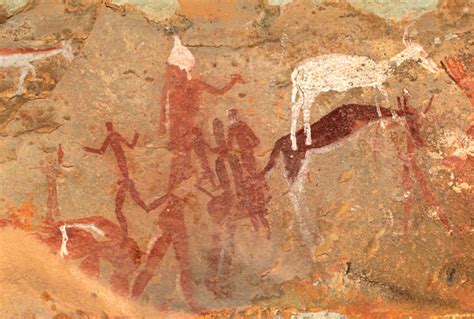
In animist traditions, such as those practiced by the Khoisan or the Xhosa for example, who settled and prayed on this Southern tip of Africa I inhabit, nature is viewed as animated and alive with spirit. Every river, tree, animal, and mountain has life-force and agency. Humans are not separate from nature; rather, they exist in a reciprocal relationship with it, shaped by mutual respect, responsibility, and acknowledgment of interconnectedness. This worldview supports practices that honour the Earth, such as rituals to ask permission from the spirits of plants and animals before hunting or harvesting, ensuring balance and respect for all forms of life.

Spirituality and respect for ancestors also play a vital role in Southern African animism. Ancestors are seen as mediators between the human world and the natural world, guiding and protecting their descendants. Through ceremony, people maintain relationships with ancestors, believing that their wisdom and presence can provide insights, blessings, and protection. In these ways, animism emphasises a holistic understanding of existence where spiritual, social, and ecological health are inseparable.

“The term animism was coined by an early anthropologist, Edward Burnett Tylor, in 1870. Tylor argued that Darwinโ€™s ideas of evolution could be applied to human societies; he classified religions according to their level of development.

He defined animism as a belief in souls: the existence of human souls after death, but also the belief that entities Western perspectives deemed inanimate, like water, rocks and trees, and plants had souls.

Animism was, in Tylorโ€™s view, the first stage in the evolution of religion, which developed from animism to polytheism and then to monotheism, which was the most โ€œcivilizedโ€ form of religion. From this perspective, animism was the most primitive kind of religion, while European, Protestant Christianity was seen as the most evolved of all religions.” [1]

By embracing animist traditions, without claiming they pertain to any particular religion, which tends to create polarity, we can contribute to revalorise them, overcoming these old colonial judgements of inferiority. As this worldview gets adopted more widely, we become more free to embrace gratitude for natureโ€™s abundance and reinforce our right to connect to the environment and cultivate respect, without being judged. Animist beliefs are at the core of our humanity and do not contradict the alignment with any particular religion.

Our Western religious dominion theologies gave humans โ€“ first through Adam and Eve for example โ€“ dominion over the Earth. They set up a dichotomy between inanimate matter and animate spirit that lifts humans above creation and turns the rest of the world โ€“ from animals and plants to soil and water โ€“ into โ€œresourcesโ€ to be used. Unfortunately this vision has given shape to the Business as Usual story we participate in today.

By shifting perception from an isolated, human-centered worldview to one that honors the spirit within all living things, we can access a deeper, animist-inspired understanding of interdependence. This expanded awareness fosters empathy, reverence, and responsibility toward the natural world.

The Work That Reconnects invites individuals to cultivate a similar reverence and sense of kinship with the Earth. Rooted in systems thinking and inspired by Buddhist concepts of interconnectedness, Joanna Macyโ€™s work incorporates animist traditions in its recognition of the living, interconnected nature of existence. It seeks to restore relationships between individuals, communities, and the more-than-human world, helping people to heal disconnections and remember their place within the larger ecological web.

“Animism is not a religion one can convert to but rather a label used for worldviews and practices that acknowledge relationships between nature and the animal world that have power over humans and must be respected.

These practices […] can also be forms of environmental care, farming practices or protests, such as those conducted by water protectors [around the world]. New Zealandโ€™s 2017 act recognizing the Whanganui River as a legal person, the culmination of decades of Maori activism, could be described as animism taking a legal form.

Animist practices are as variable as the peoples and places engaging in such relationships.” [1]


[1]Justine Buck Quijada for theconversation.com

Articles, Local News and Articles, Organisations, Resources & Networks, Uncategorized

Pesticides: Shooting the Messenger (and other Innocent Bystanders)

by Ninette Tarlton, first published on Patreon on 28 August 2024

โ€œThree billion kilograms of pesticides are used worldwide every year [6], while only 1% of total pesticides are effectively used to control insect pests on target plants [1]. The large amounts of remaining pesticides penetrate or reach non-target plants and environmental media. As a consequence, pesticide contamination has polluted the environment and caused negative impacts on human health [1,7].โ€  Source: https://www.ncbi.nlm.nih.gov/pmc/articles/PMC7908628/

For many decades, the world has been following the advice of the pesticides industry on how to deal with โ€œpestsโ€.  Consumer choices in this area have largely been dictated by fear and/or ignorance and/or trust in suppliers of pesticides.  The result? TONS of synthetic chemical formulations specifically designed to poison are released into the environment, year after year, by all sectors of society, from individuals to farmers, businesses, public institutions, governments and even schools to โ€œdealโ€ with every โ€œpestโ€ under the sun. 

Insanely this broad spread anthropogenic chemical pollution is deemed the โ€œnormโ€, so much so that it is even accepted to spray these poisons on or near the food we eat, in or near our freshwater resources, in and around our homes and even on or near where our children play. It should come as no surprise that traces of these chemicals are now being found everywhere and that soil life, aquatic life, ecological and even our own biological biodiversity is being destroyed.

All along, we have been looking at things wrong. The โ€œpestsโ€ have simply been trying to tell us something.  It is their advice we should follow.  They were never the โ€œproblemโ€, just like climate change is not the problem. Big industry LOVES discussing these โ€œproblemsโ€ (they are actually symptoms) at conferences because they know that these narratives: 1. Breed fear; 2. disassociate people from the true problem so that they are unable to respond correctly and effectively.  

The truth that the problem is how we humans have been doing things will set us free! This is the Best and Worst news EVER, all rolled into one. Worst: because it means we all have to finally take responsibility for our individual actions and Best: because it means we, the people of Earth, can start changing the world virtually overnight SIMPLY THROUGH THE CHOICES WE MAKE, without any help from government or industry!

Woah! An overwhelming realisation! Donโ€™t let it be. The pests have a POWERFUL and encouraging message for you: Itโ€™s not about how little the one does, it is about how much all get done together!

Things are changing, whether you are on board or not.  Itโ€™s just that we might be able to make it a little easier on ourselves if we raise our white flags in this war on nature.  Nature is not the enemy, unless we continue to make her one. Being on the wrong side of nature, we will certainly lose because waging war on nature is waging war on ourselves.

I feel an extreme sense of urgency to do this work.  Some would call me a pest, but I truly believe nature is running out of patience.  โ€œPestsโ€ are there to bother us so that we will be forced to pay attention.  They have important messages for us and will set us on the right path, if only we listen. 

My name is Ninette and I currently run a campaign in Cape Town South Africa called โ€œPoison-free Peninsulaโ€.ย  Our current primary focus is on advocating for the City of Cape Town to immediately stop its shocking practice of blanket spraying toxic synthetic herbicides on the streets and sidewalks of our communities in the iconic biodiversity hotspot, the Cape Peninsula. Concurrently we are working to inspire and support individuals, farmers, businesses, public institutions and schools in Cape Town to discontinue their reliance on toxic pesticides.ย  Although this campaign is region specific, we encourage all individuals to join us in the hope that others receive some inspiration/guidance to do similar work elsewhere.

To join us, send an email to: poisonfreepeninsula@proton.me. You can watch our video about blanket spraying of herbicides in the Cape Peninsula here: https://youtu.be/iA2RC3bsjAE

Spring is in the Air, lets keep pesticides out of it! (19 September 2024)

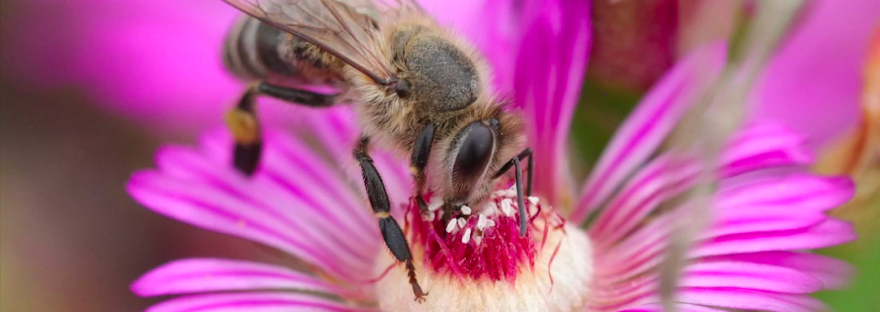
Please follow the link here above to a short video suitable for sharing on whatsapp community groups and Facebook groups. Help raise awareness! This little action is dedicated to all the worker bees out there!

To read more from Ninette, please visit https://www.patreon.com/NinetteTarlton

Articles, Resources & Networks, Uncategorized

โ€˜Everything is a beingโ€™ for South Africaโ€™s amaMpondo fighting to protect nature

  • amaMpondo environmental defenders on South Africaโ€™s Wild Coast bring the same spirit of resistance to extractive mining interests today as their forebears did to the apartheid state in the 1960s.
  • Their connection with the land, and the customs that underpin this, makes them mindful custodians of the wilderness.
  • The amaMpondo say they welcome economic development, but want it on their own terms, many preferring light-touch tourism over extractive mining.
  • The amaMpondoโ€™s worldview and values are passed down through the generations through the oral tradition.

By LEONIE JOUBERT originally published in Mongabay

MPONDOLAND, South Africa โ€” The day the prospectors came, so did the storm. It was 2007, and clouds barreled toward the coast, driven by a wind that churned up dust and foretold of the downpour to come. Beyond the rusty dunes, the Indian Ocean surged with equal force.

โ€œIt was scary,โ€ says Mamjozi Danca, a traditional healer who has lived here all her life.

Her family couldnโ€™t bring the cattle in from grazing, and โ€œeven cooking wasnโ€™t easy.โ€ They hunkered down in their rondavel, a round homestead with a thatched roof not far from the mineral-dense dunes of Xolobeni on South Africaโ€™s Wild Coast, to wait it out.

Xolobeni is a village on a 24-kilometer (15-mile) stretch of wilderness about four hoursโ€™ drive south of the port city of Durban. It has become synonymous with a two-decade-long fight by the Indigenous amaMpondo against extractive mining interests that had sights on the powdered titanium in the dunes. There have also been more recent attempts to conduct seismic surveys for offshore oil and gas.

When traditional healer Mamjozi Danca was born into a violent apartheid state that tried to dispossess her people of their land and culture, the amaMpondo fought back. Now they are fighting to protect their heritage from mining corporations.
When traditional healer Mamjozi Danca was born into a violent apartheid state that tried todispossess her people of their land and culture, the amaMpondo fought back. Now they are fighting to protect their heritage from mining corporations. Image by Leonie Joubert for Mongabay.
Herbalists burn imphepho, African sage (Helichrysum odoratissimum), as an incense during prayer. This fragrant herb grows wild in the Mpondoland grasslands.
Herbalists burn imphepho, African sage (Helichrysum odoratissimum), as an incense during prayer. This fragrant herb grows wild in the Mpondoland grasslands. Image by Leonie Joubert for Mongabay.

On the day the mining prospectors came for their sand samples, the storm drove them away, Danca says. It was frightening. But it was a sign, she says, a miracle even.

This, by her interpretation, was the spirits of the ancestors bringing a message to the people, using the vocabulary of the elements.

โ€œIf we allow [mining], [we] will never be able to access any medicine, the beach, the sea, or food,โ€ Danca says. According to her, it was a message of solidarity: we, your forebears, will fight alongside you, the living, who are protecting our ancestral lands.

When the government later granted a prospecting license to Mineral Sand Resources, an Australian company, the community challenged its legality in court, resulting in the license being suspended.

The spirit of resistance to these would-be profiteers is the same one that fueled the amaMpondoโ€™s fight against the apartheid government in the 1950s and early 1960s, sources tell Mongabay. And it is their connection with โ€œthe landโ€ โ€” the web of life that surrounds them, and where the spiritual world is said to exist โ€” that environmental defenders say they are willing to die for.

Some already have.

The amaMpondo want economic development, but on their own terms, with many preferring light-touch tourism over extractive mining. Some families offer rustic catered accommodation for hikers trekking up and down the coast, such as here at the popular Mtentu River mouth. Image courtesy of Travis Bailey/Siyasizisa Trust.

Nature: Where the living and the spirit realm meet

Itโ€™s no accident that this place is well preserved, the locals say. Their custodianship has kept it this way.

The land is their mother, they say; it is their identity, something they respect. In their belief system, the land owns the people; the people donโ€™t own the land.

When the amaMpondo speak of โ€œthe land,โ€ they arenโ€™t referring merely to the soil beneath their feet, which can yield X bushels of corn that can be sold for Y dollars at the market.

Theyโ€™re talking about the rains that roll in on a storm, and the water filtering into the wetland where the grass aloes grow. Theyโ€™re talking about the springs where they collect bathwater, the grasslands where their herds graze, and where they gather plants for medicines and mystical charms. They speak of the forests that burst with fruit, and offer firewood or timber. They mean the rivers that run into the ocean where they cast their fishing lines, and the fish that nourish them.

Xolobeniโ€™s rusty titanium-rich coastal dunes are synonymous with the amaMpondoโ€™s 20-year battle to keep extractive mining out of their ancestral lands.
Xolobeniโ€™s rusty titanium-rich coastal dunes are synonymous with the amaMpondoโ€™s 20-year battle to keep extractive mining out of their ancestral lands. Image by Leonie Joubert for Mongabay.

The Pondoland Centre of Endemism is globally recognized for its unique plant diversity, with rarities such as the Pondoland coconut (Jubaeopsis afra), the Pondoland conebush (Leucadendron pondoense) and the Pondoland ghost bush (Raspalia trigyna).

It is also here, in nature, where the amaMpondo connect with the spirit realm.

The amaMpondoโ€™s spiritualism is a blend of African animism and Christianity. They say that when someone dies, their spirit doesnโ€™t go away to a far-off realm โ€” a heaven, or hell, or a cycle of reincarnation โ€” but lingers close by, staying near to places they loved when they were here in their physical bodies.

โ€œThose who have passed on cling to the places close to their hearts,โ€ says Sinegugu Zukulu, a conservationist, ecological infrastructure expert and Indigenous knowledge specialist. โ€œJust like living people are everywhere, so are those who have passed on.

โ€œThere are those who reside in the ocean,โ€ Zukulu says, โ€œsome are in the mountains. Some reside in waterfalls; some in beautiful, peaceful pools; some in forests.โ€

Everything is said to be a being. That means protecting individual species and the ecosystems in which they occur โ€” the grasslands, forests, rivers and ocean โ€” is as much about ensuring people can meet their daily needs as it is about protecting the spiritual places where they connect with the numinous.

To understand this, Zukulu says, a person must witness their daily practices.

Traditional healer Malibongwe Ndovela collects plants for medicines and mystical charms thatgrow in the grasslands and forests at the Mtentu River mouth, a popular overnight stop for hikers.
Traditional healer Malibongwe Ndovela collects plants for medicines and mystical charms that grow in the grasslands and forests at the Mtentu River mouth, a popular overnight stop for hikers. Image by Leonie Joubert for Mongabay.

A walk through the grasslands uncovers the medicinal plants tucked away among the grazing, which explains why they wonโ€™t plow all the virgin land. Most of the natural veld remains intact, with just a few small vegetable beds for each family.

Healers only collect bark from the north-facing side of a medicinal tree, so it doesnโ€™t die.

โ€œIn customary law, we are not allowed to cut down fruit-bearing trees,โ€ Zukulu says, โ€œbecause they give food to wildlife, like birds, bees and insects, and to strangers on long journeys.โ€

Out of respect for the ancestors, and the need to keep in good standing with them โ€” ancestors are said to have the power to punish, if someone strays โ€” conservation practices take the shape of a ritual or lore, becoming practical while being imbued with the metaphysical.

Losing their land to extractive development will break these lores and customs, they say.

But fighting to protect their way of life has come at a cost.

Traditional healers use the smoke from the coals of a yellow wood tree (Podocarpus latifolius) tocleanse a cattle herd of problematic spirits and stop the animals from fighting.
Traditional healers use the smoke from the coals of a yellow wood tree (Podocarpus latifolius) to cleanse a cattle herd of problematic spirits and stop the animals from fighting. Image by Leonie Joubert for Mongabay.

In 2016, a community leader with the Amadiba Crisis Committee (ACC) โ€” which, together with civil society organization Sustaining the Wild Coast (SWC), helped spearhead the legal challenges to the titanium mine and other extractive development efforts โ€” was killed. Sikhosiphi โ€œBazookaโ€ Rhadebe was shot in a suspected hit linked with resistance to the titanium mine. His death has not been thoroughly investigated and his killers remain at large. Zukulu and fellow activist Nonhle Mbuthuma, another ACC leader, found their names on a purported hit list that began circulating before Rhadebeโ€™s murder, believed to be issued by a person or people in the community who were pro-mining.

This hasnโ€™t stopped the community. Now they continue with a protracted legal battle against the energy giant Shell, which planned offshore seismic surveys about 770 km (480 mi) south of Xolobeni to find oil and gas. So far, theyโ€™ve kept Shellโ€™s prospecting license application snarled up in legal proceedings. Meanwhile, in April 2024, Zukulu and Mbuthuma received the prestigious Goldman Environmental Prize for the communityโ€™s efforts to thwart Shell.

The legal case centers around more than just the potential environmental impacts of the sonic blasting, such as injury to sound-sensitive marine life like dolphins, whales and the near-extinct African penguin (Spheniscus demersus).

The amaMpondo argue that itโ€™s also a threat to their cosmology.

โ€œShellโ€™s disruption of the ocean risks disrupting and disturbing those who have passed on, and the living donโ€™t know what it may lead to in their lives,โ€ Zukululu says.

It is no accident that Mpondoland is well preserved, the locals say. Their custodianship has kept itthis way. They want economic development, but on their own terms, with many preferring light- touch tourism over extractive mining.
It is no accident that Mpondoland is well preserved, the locals say. Their custodianship has kept it this way. They want economic development, but on their own terms, with many preferring light-touch tourism over extractive mining. Image by Leonie Joubert for Mongabay.

Remembering hard times

Today, Mamjozi Danca is in her 60s. Like most of her generation, she doesnโ€™t have a precise calendar date for her birthday, but uses the oral tradition to mark her arrival in the world.

She was born, her father told her, when the amabulu, the soldiers, stormed into their home, ripped off peopleโ€™s jewelry and amulets, and looted the kitchen for food. This was the kind of intimidation tactic that the state used to bully the amaMpondo to submit to a national land-grab policy that aimed to push the countryโ€™s majority Black population into reserves and keep the countryโ€™s best farmlands for the minority white elite.

Part of this included imposing โ€œbetterment schemesโ€ on Indigenous communities that were intended to upend traditional governance structures and communal land and grazing customs. State-sponsored chiefs drove wedges between communities. Extractive taxes forced Indigenous men to head to the mines, mostly in Johannesburg, as part of a conveyor belt of exploitative migrant labor.

The amaMpondo may not live solely off the produce of their farms, but being able to keep animalsand grow vegetables and maize goes a long way towards boosting their food resilience.
The amaMpondo may not live solely off the produce of their farms, but being able to keep animals and grow vegetables and maize goes a long way towards boosting their food resilience. Image by Leonie Joubert for Mongabay.

The amaMpondo were having none of it, rising up in a peasant resistance to this violent and illegitimate state in the 1950s and early 1960s. The culmination of the Mpondo Revolt came on June 6, 1960, when a group gathered at Ngquza Hill, not far from Xolobeni. The military flew in, dropped tear gas and gunned down 11 people. In the months that followed, the state hunted down and arrested others believed to be complicit, sentencing 30 to death for their part in the uprising.

It was into this maelstrom that Danca was born.

Today, Danca, a member of the ACC, is defiant. The amaMpondo were fighting to protect their land and way of life during the revolt; now theyโ€™re fighting the same system that wants to dispossess them of their inheritance today.

โ€œI will never give up. I will never stop fighting,โ€ she says.

Stories keep customs and cosmology alive

On the day the helicopters came, before Christmas 1960, Nozilayi Gwalagwala clutched her newborn boy as she felt the pah-pah-pah-pah-pah of the propellersโ€™ vibrations. She recalls the choppers wobbling as they hovered near her rondavel.

Today, at 98, she crumples her housecoat into a tiny bundle to show how small her infant was, not even 24 hours old.

It was six months since the Ngquza Hill massacre, and a fortnight after the government issued draconian measures to suppress the revolt. Soldiers had returned to round up resistance stragglers who were boycotting tax payments and rabble-rousing against puppet chiefs.

Nozilayi Gwalagwala, 98, is a โ€œliving libraryโ€ of stories and history. The amaMpondoโ€™s care for the environmental is rooted in their customs and cosmology which are passed down through the oral tradition.
Nozilayi Gwalagwala, 98, is a โ€œliving libraryโ€ of stories and history. The amaMpondoโ€™s care for the environmental is rooted in their customs and cosmology which are passed down through the oral tradition. Image by Leonie Joubert for Mongabay.
Nozilayi Gwalagwala, 98, has lived off the land for a whole lifetime, growing crops such as maize, beans, and potatoes, and investing in cattle as a way to build wealth.
Nozilayi Gwalagwala, 98, has lived off the land for a whole lifetime, growing crops such as maize, beans, and potatoes, and investing in cattle as a way to build wealth. Image by Leonie Joubert for Mongabay.

Gwalagwalaโ€™s husband was captured that day. He was locked in the back of a truck to ship the prisoners away when it got into trouble at a tricky river crossing and overturned. Many were injured. When news reached Gwalagwala, she feared her husband was dead.

It took a week to track him down, alive but seriously injured in a hospital 55 km (34 mi) away. Much of the journey to find him was on foot, carrying her infant. The baby was later named Gunyazile, because he was born during a time when the โ€œauthorities forced the people.โ€

These were hard times, and her child would forever carry this history in his name.

Today, Gwalagwala tells this story in the presence of her grandson, Lungelo Mtwa, born to the late Gunyazile. Mtwa is 29. After he completed his diploma in tourism management, he returned to the land of his forebears, where he now works as a tour guide.

Tour guide Lungelo Mtwa (29) is taking on the mantle of storyteller from his grandmother NozilayiGwalagwala (98), and brings the amaMpondo history to life for the hikers who trek along the coast.
Tour guide Lungelo Mtwa (29) is taking on the mantle of storyteller from his grandmother Nozilayi Gwalagwala (98), and brings the amaMpondo history to life for the hikers who trek along the coast. Image by Leonie Joubert for Mongabay.

Their tale encapsulates the amaMpondoโ€™s wishes. Many welcome development, but want it on their own terms. Light-touch tourism allows them to draw on their culture and the regionโ€™s unique biodiversity by offering authentic catered accommodation and guiding services to hiking parties that trek up and down the coast.

โ€œShe is a living library,โ€ Mtwa says of his grandmother. โ€œYou can hike the Mpondo coast alone, but it is these stories that bring the place to life.โ€

The amaMponodoโ€™s stories, archived in the oral tradition, carry the customs and cosmology that have ensured the Wild Coast remains wild, then and now, and burns with the spirit of resistance to external powers that wish to profit from their inheritance.

Banner image: Traditional healers use the smoke from the coals of a yellow wood tree (Podocarpus latifolius) to cleanse a cattle herd of problematic spirits and stop the animals from fighting. Image by Leonie Joubert for Mongabay.

Articles, Legal Rights, Resources & Networks, Uncategorized

To Protect Nature, our Law Should be Based on Interconnection

By Alex May – Earth Jurisprudence to Defend the Rights of Nature

Hereunder is an extract from an essay by British author Alex May, which explains how the writing of new biocentric laws is instrumental in the Great Turning.

Reviewing our jurisprudence means studying and rewriting the principles on which our laws concerning the rights of Nature are based. These Gaian Practices are crucial for the regeneration and rewilding of our planet. On the one hand, Holding Actions denouncing crimes against other-than-human beings will achieve stronger arguments and rally wider groups of population if they are backed by official laws. And, on the other hand this regulatory approach to the rights of Nature will have a snowball effect on prescription and adoption of new laws across all areas of our capitalistic societies, and this will eventually have a incremental impact on the global Shift in Consciousness, therefore affecting all Three Dimensions of the Work that Reconnects.

Atomised

We know that radical change is needed to avoid catastrophe, and it is vital that we think about this in terms of system change. Relying on each person to doing their bit, in a political framework based on individual responsibility, has failed, and we must change the systems that we all act within.

For the most part, we know what sort of change is required in terms of social change, political change and economic change, with reports, targets, frameworks and new systemic approaches proposed. But law as a system has been, for the most part, overlooked.

Our law should shift to looking at relationships, such as between humans and their ecosystems, instead of just being about individual rights and rights-claims.

Our legal system is an interwoven part of our society and our economy. It structures human activity and social relations, and it affects how we understand the ourselves and the world.

For example, the way law focuses on individual rights reproduces our individualistic conception of society and the way we think of freedom as individual entitlement without responsibility. Yet despite this role law plays, it has mostly faded into the background, seen as a neutral and technical social system instead of a powerful influence in our way of life that itself must be changed.

Humans are interconnected with each other and with the natural world. Yet our society, economic models and legal systems do not recognise this, seeing us instead as atomised individuals.

Harmonious

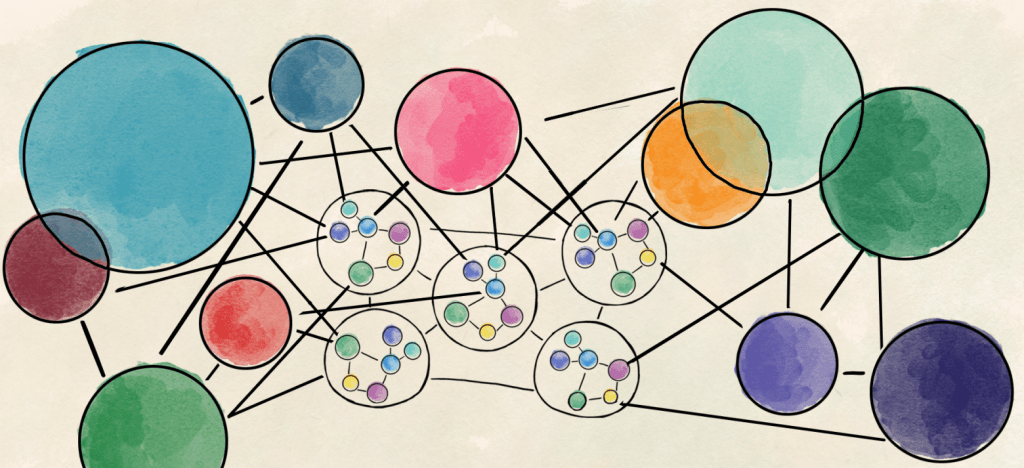
In our legal systems, individual (and corporate) rights are the primary building block, and when we think about freedom, it is individual freedom that we think about. This is mistaken: in our interconnected world, individuals live in a dense network of relations and relationships. Society is not an aggregation of individuals, but a dense, interwoven web.

Our legal system is based in this flawed individualistic model, seeing us as separate from each other and from the natural world. Instead, it must shift to a paradigm based on interconnection, recognising and working to change the network of relationships we live in.

The network of relationships which make up our society can be empowering and sustaining, or they can be harmful and destructive. They can create conditions of freedom and allow us to live fulfilling and sustainable lives, or they can smother, abuse and exploit us. Law, as part of this, can be used to oppress people or to liberate them.

Once we recognise this, we should see that lawโ€™s role should be to transform this web of relationships โ€“ social, economic and ecological relationships โ€“ from harmful to harmonious.

To be clear, the argument is not that law should be used to influence these relationships, and nor is it that law is the only way we should do this.

Life

Instead, the point is that law already influences all sorts of relationships in society, and that our legal system itself must be transformed as part of the broader social and political change that is needed.

Earth Jurisprudence points to the way that the relationship between humans and the rest of Nature is currently mediated by law. In our legal systems, nature features chiefly as property which can be owned, dominated and plundered by human owners.

Individuals and corporate actors are free to destroy ecosystems and cause ecological harm in their search of profit. Environmental law is secondary, almost an afterthought. Instead, protecting Nature should be the norm, not the exception, and sustainability should be a core principle across our entire legal system.

Earth Jurisprudence proposes a transformation of legal systems to address this: to make Nature an equal part of our legal system by granting it rights. This would give Nature the ability to protect itself, via human intermediaries.

Recognising Natureโ€™s rights in our legal system would also help us to see nature as valuable in its own right, instead of just as a resource for us to use. It would also embed in our culture the idea that we are part of a community of life on this Earth, instead of that our environment is some โ€˜otherโ€™ which we are separate from and more important than.

Personhood

Legal transformation has been mostly overlooked in the last decade, with one exception: the idea of ecocide.

The Stop Ecocide campaign seeks to make the destruction of nature an international crime. This call has been picked up by the Extinction Rebellion movement and mentioned by youth climate strikers as part of the change they call for. Making ecocide a crime is certainly welcome, but the transformation that our legal system needs is far bigger, and it is a shame that ideas like Rights of Nature have not yet received broader recognition.

Legal rights of nature have been introduced in some places around the world. They are recognised in Ecuadorโ€™s constitution, and have entered the court in legals challenges seeking to protect nature reserves from mining permits.

In New Zealand, a particular river system was given legal personhood, and in Colombia and India courts have developed rights for particular ecosystems.

Transform

Rights of Nature is only one part of the transformation of law that we need. The idea of interconnection can be the core of this framework, helping us to see the broader shift that is needed.

Our law should shift to looking at relationships, such as between humans and their ecosystems, instead of just being about individual rights and rights-claims. It has the potential to help change how we relate to each other, seeing ourselves collectively instead of individually.

We could also see the role of law as being about transforming the network of relationships that make up our society, instead of being about protecting individual right and individual freedoms. In this view, law could be used to transform social relations which are unjust or exploitative to being just, harmonious and empowering.

About the Author

Alex May is the founder of the Interconnected Law Project which seeks to develop and share ideas about law and ultimately transform our legal systems.

Interconnected Law is an approach to law based on interconnection, care, nurture, community and love. 

With Gratitude to Alex May for this sharing for our blog and for the clarity of other students of nature’s jurisprudence around the world.

I also recommend reading the Bioneers website for more information on the Rights of Nature: https://bioneers.org/earthlings/

Articles, Uncategorized

‘The heart that breaks open can contain the whole universe.’

By Joanna Tomkins

Today we took yet another ‘combi’, this time from Chinchero, our last stop in Peru, where my kids and I have spent 5 weeks, during our visit to South America.

I feel my heart breaking during the ride. It’s not a bad feeling at all, it’s a feeling of openness, a sensitivity around the heart. I will miss these trips in public transport. These trips in public. It’s been very useful for me to speak Spanish, but I know that the warmth of these intimate connections of people on the go, together, would have melted any language barrier.

A very old man, with a cane, hails the bus.
‘Necesita ayuda’, he needs help, a lady says from behind. One lady bends over to open the door, I bend over to help him up by his other blackened hand, immediately enveloped by the scents of boiled corn cobs and infinite layers of wood smoke. I remember entering a Himba hut. He asks me if we are at ‘la terminal’ a few times and I help to prop him up when he slips on the seat in the abrupt Andean bends in the road. He sips on the ‘chicha morada’ (black corn fermented drink) he brought for the ride in an ancient 20cl Inka Cola bottle, reused time and time again.

‘Gracias Mamita!’โ€ฆ He trusts me like his daughter. When we all get off in Cusco he can’t find his money, and remembers he forgot to remember his other bag. ‘Pago para los cuatro’ I say as my kids slip out from the front row, where they had found two free seats. It seems natural to all. And we drift off in between the busy Saturday market stalls.

I wonder if he remembers where he is going. I wonder who will help him find his way home today. I wonder when he lost his wife. I wonder who will take care of him, when his eyesight and his memory get worse, yet I know there will be care for him, for there is community. 

Nowadays, my heart breaks open in a similar way when it feels sorrow and when it feels joy. Sorrow feels like gladness when there exists a non dual sense of greatness that binds them both together. That I have felt strongly here in the Andean mountains and the creases of the Sacred Valley: the greatness of the mountains, revered for their divinity, named Apus. And how men can ‘move mountains’ when led by a vast and sacred sense of purpose. This purpose was driven for the Incas by their trust in their kings and leaders, trust in their elders, trust in the nature gods, and trust in themselves. I quote Robert Bly, whose book ‘Iron John’ I took on travel: ‘The inner King is the one in us who knows what we want to do for the rest of our lives, or the rest of the month, or the rest of the day.’ 

Each stone in the Incan temples in Peru is a masterpiece. Some of them weigh several tons (one in the Sacsayhuaman -pronounce ‘sexy woman’- weighs 125 tons!) and have been quarried several kilometres away. It is a miracle of human will power that we can admire here today. The Spanish used these works of art as convenient bricks for their monotheist humancentric churches, with the added excuse of ‘extirping idolatry’ from the minds and hearts of the invaded. But they could not move the greater of the stones!

Some of the original Incan pieces have up to 20 different angles that are adjusted without mortar to the next stones, forming a mosaic that not only is creatively diverse in its assembly but also has the perfect structure to resist the earthquakes that the dramatic Pachamama bestows upon this region every few decades. Archaeological prowess is everywhere: in the exact inclination of each temple wall, the drainage of each terrace, the elaboration of door hinges and jambs so that each element collaborates with the others to defy the tricks of gods.

What I have felt all around in the communities that inhabit the Andes is a great sense of belonging, deeper than the Western scattered, individual pursuit of purposefulness. What wisdom the atrocious conquests tried to eradicate is still alive with roots as deep as the mountains are high. Quechuan sounds powerful, indigenous rhythms transpire in the musicโ€ฆ, there is no legacy from Spain that has not been blended and sublimed with Incan heritage, more ancient, seeped with spirit, hence more coherent.

And what makes more sense than to revere the nature gods, Inti/Sun the highest of all? And what is more kingly than to present them with the gift of a lifetime of labour? These walls were not built for oneself, for one’s own, they were built for the generations to come, for the Empire, for the Sun itself. Imagine how many lives communed to place each Intipuntu/Sun gate in the exact position where Sun can kiss through it at the exact hour that honours Him?

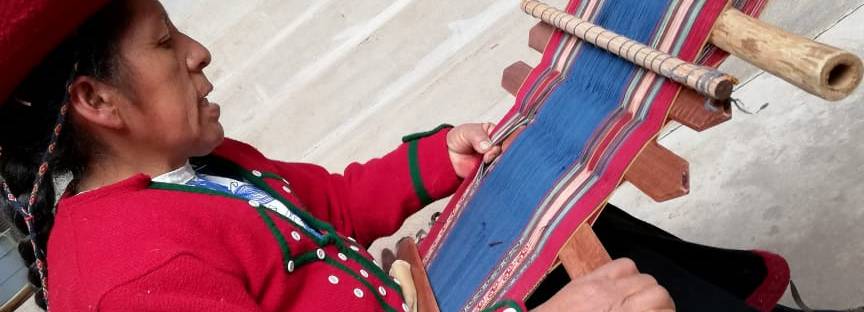
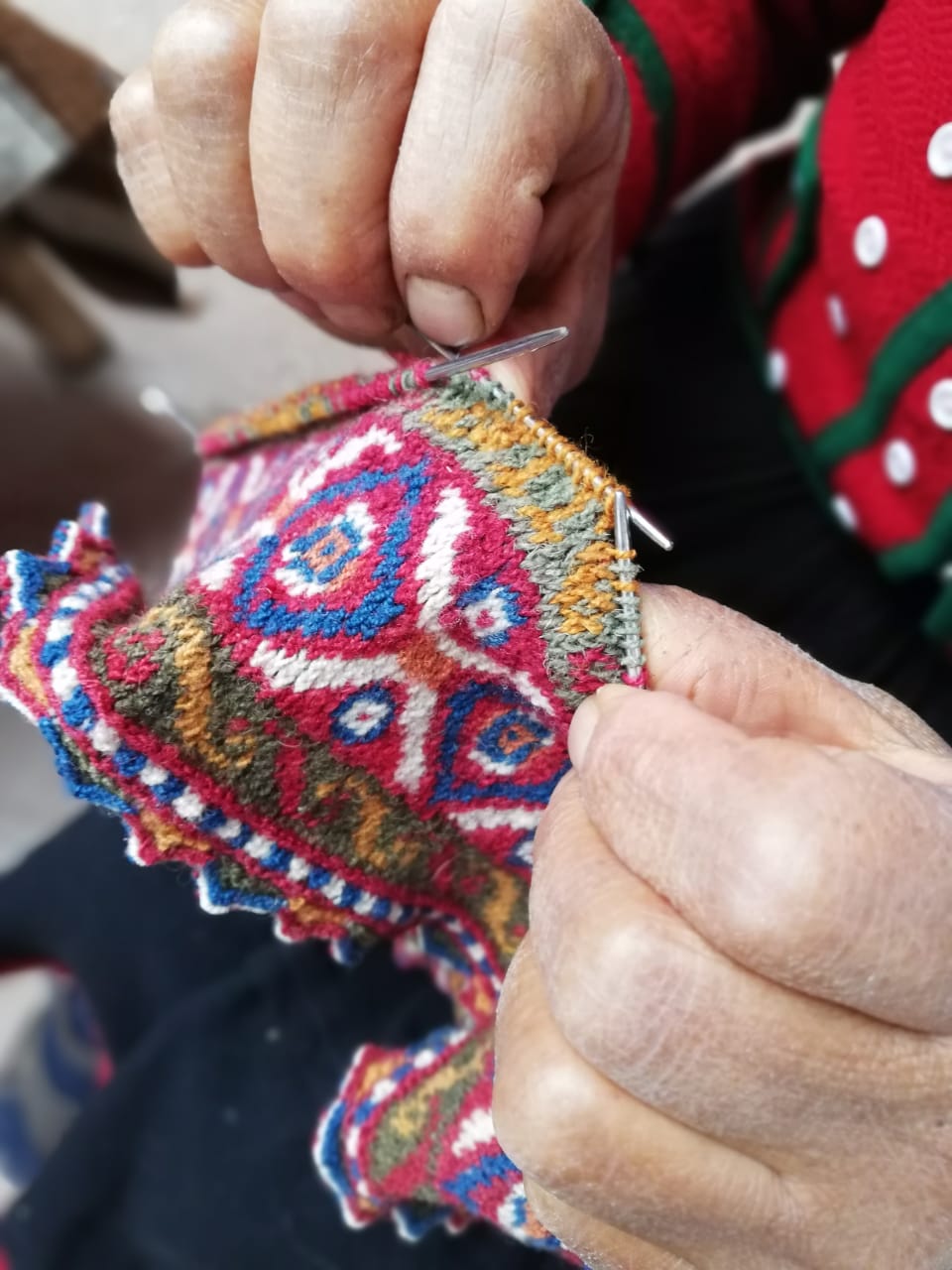
Yesterday we watched Mama Sonia weave, the inner King in her thumbs knowing which string to move next, which colour to represent her tribe, which shape to represent her land. The tradition of weaving withholds the passing of time in the communities of Chinchero, young women still queuing to learn from the elders the traditional ways, fully aware of the privilege of their culture.

In different ways, this witnessing breaks my heart.

The heart that breaks open can contain the whole universe.

A Quote by Joanna Macy
Articles, Poems, Resources & Networks, Uncategorized

The Empty Bowl and the Alchemy of Uncertainty

by Barbara Ford

To listen to this article read by the author, please visit the Deep Times Journal where it was originally published last year: https://journal.workthatreconnects.org/2023/09/02/the-empty-bowl-and-the-alchemy-of-uncertainty/

Last year, I had the great good luck to visit my beloved friend and teacher, Joanna Macy, a brilliant elder of our time. We spent the afternoon together, catching up on family and news in the dappled sunshine in her backyard. Ukraine was on her mind. She traveled throughout Russia after the Chernobyl nuclear disaster in 1986 and had dedicated herself to supporting the communities there as they coped with the physical, emotional, and cultural injuries of that event. (As an aside, some communities there are still using Geiger counters to find the least radioactive spots in their environs, so that they can plant gardens and guard the children from the ongoing threat of exposure as toxic particles move with the wind and the dust.)

At some point after this deep and thoroughly unvarnished conversation about the state of the world, she looked up into the tree branches above us, newly opening buds filtering the sunlight, turned to me smiling widely and said, โ€œI am so grateful to be alive at this moment in history!โ€

how to stay present in the face of those reckonings, and the unavoidable truth of uncertainty as our constant companion on the journey. 

This is not uncharacteristic of her, to be honest, but I was sitting with a kind of stunned awe, again, at this person who, while willing to stare deeply into the abyss of the pain of the world, still found herself in this place of deep gratitude. That statement, and that moment, reminded me of all the times over the years she talked about the reckonings our world was bound for, the tumult of fires, literal and cultural, that threaten our world. Her work, and mine, is largely centered on how to stay present in the face of those reckonings, and the unavoidable truth of uncertainty as our constant companion on the journey. 

In the Work That Reconnects, a body of practices developed by Joanna, there is one practice called the Truth Mandala, or Circle of Truth. Within a circle of witnesses, a person enters and interacts with objects symbolic of emotional states that might arise in confronting oneโ€™s pain for the world. For example, a pile of dead leaves symbolizes grief. A large stick, tightly held, symbolizes anger. One of the objects I have a great resonance with is an empty bowl, which is connected to confusion, uncertainty, numbness. Each object has a correlating quality to each emotional state. Grief is connected to love. Anger, to oneโ€™s passion for justice. The emptiness in the bowl makes a space for the new to arise.

That empty space is a kind of scrying bowl, a place to seek new meanings, new ways of being with the unknown.

For me, the empty bowl has been a deeply meaningful image in my life and creative work. It comes up in dreams, in paintings, in poetry. That empty space is a kind of scrying bowl, a place to seek new meanings, new ways of being with the unknown. As such, the bowl becomes the container of process that helps transform my struggles with uncertainty and reclaim qualities that are born out of that alchemy.

Iโ€™ve been a climate activist for over twenty years now, and the climate crisis has been a difficult but important teacher in this endeavor. We are still learning so much along the way, including how the climate crisis intersects with so many other crises of the human and more-than human world. As more and more communities start to experience, first-hand, the unprecedented changes in climate phenomena, more of us are faced with a deep uncertainty about everything: Where can we live, safely? What will our children have to contend with? What is worth focusing on? And, lastly, is there a future at all?

Climate futurist Alex Steffen is a voice Iโ€™ve come to appreciate in this moment. He writes, 

โ€ฆthe planetary crisis ainโ€™t the Apocalypse. We do not face the End of Everything. We face the obliteration of our certainties, sure. We also face the destruction of many of the wonders of nature. And we face the reality that for billions of people, life will feel pretty damned apocalyptic, even as humanity as a whole staggers along. We live now in a trans-apocalyptic world. (1)

I need to breathe here, as I write. To breathe, and to also mention that the word โ€œapocalypseโ€ does not mean the end of everything, but, in fact, comes from the Greek words that mean โ€œto uncover or reveal.โ€

So much is being revealed.

The truth is, whole communities of people have gone through some version of apocalypse

All the cultural crises of our timeโ€“climate chaos, fascism, racism, inequalityโ€“have deep roots in time, and in consciousness. The truth is, whole communities of people have gone through some version of apocalypse, whether it is the genocide of Native American communities, the enslavement of African people, or the Holocaust. Worlds have ended, if not the world. The results of colonization and domination cultures have spread to the entire planet. While some communities are disproportionately affected, whatโ€™s new is that, now, all people, species, landscapes, and living systems are threatened by the effects of the mindset that put climate chaos into motion.

Alex goes on to say:

Itโ€™s important to live when we are. Being native to now, I think, is our deepest responsibilityโ€ฆ being at home in the world we actually inhabit means refusing to consign ourselves to living in the ruins of continuity, but instead realizing we live in the rising foundations of a future that actually works. It may be a fierce, wild, unrecognizable future, but that doesnโ€™t mean itโ€™s a broken future. Indeed, itโ€™s the present thatโ€™s broken beyond redemption. (1)

 Itโ€™s not that our future is broken, but our present. And, if enough people find a way to offer themselves to this present brokenness, a viable, less broken, and more just future might be built.

Nothing has ever been certain, actually. Crops fail. Health fails. Accidents happen. This has always been true. Joanna Macy says this: 

I know weโ€™re not sure how the story will end.  I want so much to feel sure. I want to be able to tell peopleโ€ฆitโ€™s going to be alright.โ€ And I realize  that wouldnโ€™t be doing anybody a favor. First of all, we canโ€™t know. But secondly, ifโ€ฆ we could be given a pill to be convinced, โ€œdonโ€™t worry, itโ€™s going to be okayโ€, would that elicit from us our greatest creativity and courage? No. Itโ€™s that knife edge of uncertainty where we come alive to our greatest power. (2)

We all have different lived experiences of uncertainty, and varied capacities to cope. People are facing houselessness, disability, family difficulties, oppression. Iโ€™m not here to tell anyone how they should be strong in any adversity. However, some folks might find comfort in the exploration of ways to navigate these times.

Letโ€™s talk about the connection between uncertainty and creativity, for example. The writer Meg Wheatley says that we canโ€™t be creative if we refuse to be confused. She states: โ€œChange always starts with confusion; cherished interpretations must dissolve to make way for whatโ€™s new. Great ideas and inventions miraculously appear in the space of not knowing.โ€ (3)

Fire bowl by Barbara Ford

Artists of all kinds have always known this. The very act of creating is dependent in a large part on opening to possibility, to emergence, to unpredictable discoveries.  As an artist and a poet, I find that the best work is born out of not knowing what the hell Iโ€™m doing, honestly. I continue to struggle with the process. Itโ€™s not an easy path. It is humbling and sometimes disorienting. At the same time, when something unexpected and wonderful arises, it feels like I have been a vessel for some other, larger truth teller. Call it Muse, or God, or Trickster, it is a feeling of deep connection.

One creative practice Iโ€™ve tried is improvisational singing. Thatโ€™s when you literally open your mouth and sing sounds or words and you donโ€™t know what they will be until they are sung. In the beginning, I was afraid- of sounding bad, of getting it wrong, even of being boring. But the truth is, the more you just throw yourself out there, risking shame and oblivion, there are moments of clarity and communion between all the so-called โ€œbadโ€ notes. The power of those moments can eclipse the fear of failure.

two of the gifts of uncertainty are artistry and emergence, the empty bowl that holds all that can be born

So, I posit that two of the gifts of uncertainty are artistry and emergence, the empty bowl that holds all that can be born. Releasing ourselves from โ€œneeding to knowโ€ in order to act can lead us through a portal to the mystery, a sometimes messy, divine truth.

And, as you might imagine, this portal also can lead to wonder. What is wonder, after all, but a kind of beautiful, embodied acknowledgement of the workings of mystery? The fact of a sunset isnโ€™t what makes us wonder. The confluence of color, space, the moment as it meets our open heart is where wonder arises.

Another gift of uncertainty is honesty. Many of us have grown up with a bias towards facts over truth. Our educational systems reward the learning of facts, sometimes more than the gifts of curiosity and wonder. If more of us were taught the valuable skill of honoring what we donโ€™t know, of being okay with the vulnerability of that stance, I think our capacity for rich and honest relationships, for experimentation, for creativity, would grow our hearts and communities in some lovely ways. 

Ironically, if we were honest about our not-knowing, we would be more in touch with our own truth and the truth of others.

Right now, around the world, there is a growing tide of fascism. Fascism, in effect, is a kind of evil sureness of oneโ€™s right to absolute power over a populace and the planet. We watch in horror as Russia invades Ukraine. We see in the United States actions by politicians and plutocrats asserting similar ideals. This kind of toxic certainty, coupled with a disdain for empathy and mutuality, is at the heart of so much unnecessary pain and destruction. It is the antithesis of justice. It is the antithesis of care.

The ones who embrace uncertainty are the ones who, through their vulnerability, reap the twin gifts of humility and empathy.

The ones who embrace uncertainty are the ones who, through their vulnerability, reap the twin gifts of humility and empathy. Humility reminds us of what we still need to learn, and what to unlearn. It softens our armor, our resistance to change the parts of ourselves who, unknowingly, have learned habits and assumptions that perpetrate harm. Hereโ€™s one example from my life: As a white person striving to unlearn the racism I absorbed growing up, I strive to read and learn as much as I can about racism. However, it has taken some experiences that broke me a little, interactions and truth-telling that brought me into a deeper conversation with my humility. At first it was difficult. I resisted. I was attached to my innocence. When, over time, I became more comfortable with not-knowing, and less attached to protecting myself, I found myself better able to learn, more grateful for the learning. Itโ€™s definitely an ongoing journey, but one, now, I value as some of the deepest learning of my life.

Humility and empathy dwell together. They both depend on focusing outside of the self, on the willingness to see and honor other viewpoints. Both remind us of our true belonging to each other and the world, and of the pointlessness of perfection. Both are born out of an acceptance of the uncertainties we all face, and the truth that we need each other to face and navigate them together.

The writer Rebecca Solnit has made it her business to address ideas of hope, courage, and what she calls โ€œradical uncertaintyโ€. Her book, Hope in the Dark, is essential reading. She writes:

Hope locates itself in the premise that we donโ€™t know what will happen and that in the spaciousness of uncertainty is room to act. When you recognize uncertainty, you recognize that you may be able to influence the outcomes โ€“ you alone or you in concert with a few dozen or several million others. Hope is an embrace of the unknown and the unknowable, an alternative to the certainty of both optimists and pessimists. Optimists think it will all be fine without our involvement; pessimists adopt the opposite position; both excuse themselves from acting. (4)

Did you notice how she links uncertainty with possibility? And how she links certainty, in either direction, as a potential limitation to take action in the world?

โ€œWho shall I be, no matter what?โ€

As a result of this kind of inquiry, my deepest question right now as an activist, and, indeed, just as an individual, is โ€œWho shall I be, no matter what?โ€ It releases me from the false binary choice of success or failure. What is courage, after all, but the heartโ€™s strong dance forward in the face of uncertainty? In fact, uncertainty is a parent of courage, and the sibling of hope. Not a passive, waiting kind of hope, but an active hope that compels us toward the future with agency and love.

Hereโ€™s another quote from Rebecca that I hold dear:

Hope is not a lottery ticket you can sit on the sofa and clutch, feeling lucky. It is an axe you break down doors with in an emergency. Hope should shove you out the door, because it will take everything you have to steer the future away from endless war, from the annihilation of the earthโ€™s treasures and the grinding down of the poor and marginalโ€ฆ To hope is to give yourself to the future โ€“ and that commitment to the future is what makes the present inhabitable. (4)

Creativity. Vulnerability. Honesty. Humility. Empathy. Courage. Hope.  May these alchemical qualities guide us into the complicated and tumultuous future, and may we find joy in the company of brave, artful, and loving friends in the journey.

Song for the Empty Bowl

we fill the emptiness with stones
with firewith memory and bones
with fury songs and quiet poems
and prayers for all the quiet ones

this emptiness can hold a drum
a knife, a seed, a place to hide
but mostly what I fear has come
a bowl of tearsa rising tide

uncertainty is my lament
my prayermy homemy quiet friend
the spells of all the breaths we hold
the songs unsung, the tales untold

to find this dance, to sing this song
an ancient sphere, to waltz upon
this empty bowl, my deep unknown
my curve of grace, my silent koan


References:

  1. Steffen, A.,โ€We All Live in California Now,โ€ essay at:   https://alexsteffen.substack.com/p/we-all-live-in-california-now. June 10, 2022.
  2. Macy, J., interview Joanna Macy and the Great Turning in film by Christopher Landry, 2016.
  3. Wheatley, M. J., Turning to One Another, Berrett-Koehler Publishers Inc., 2009, p.45.
  4. Solnit, R., Hope in the Dark: Untold Histories, Wild Possibilities, Haymarket Books, Chicago IL, 2016.


Barbara Ford is a longtime WTR facilitator, artist, writer, and activist living in Portland, Oregon. She has been active in the climate justice movement for over twenty years as an arts organizer, as well as supporting the activist community with WTR inspired events to grow a culture of self and community care. She has created the Radical Gratitude model for expanding our ideas about gratitude, and is offering new writings in her Substack newsletter called Cultural Artisanship in a Changing World (https://barbaraford.substack.com). 

Check out Barbara’s new artist website at:
www.confluence-arts.net
Articles, Resources & Networks

The Greening of the Self: Joanna Macy’s Wisdom Meets Forest Bathing

8th June 2023 by Hugh Asher, founder of the An Darach Forest Therapy organisation based in Scotland


In a world marked by rapid and increased urbanisation, technological advancements, and environmental challenges, it is easy to lose touch with our natural surroundings. However, the human-nature connection has been an intrinsic part of our existence since the dawn of humanity. Recognising this connection and building upon it can lead to both individual and planetary healing. This concept, often referred to as โ€˜The Greening of the Selfโ€™, has become a more mainstream focus of attention in recent years, drawing inspiration from the work of visionary thinkers such as Joanna Macy and influencing the nature-connection practice of Forest Bathing.

This article explores the concept of โ€˜The Greening of the Selfโ€™ and how Forest Bathing, guided by Macy’s teachings, can nurture personal transformation and ecological consciousness.

The Greening of the Self and the Work of Joanna Macy

At its core, The Greening of the Self is an invitation to rediscover our deep interdependence with the natural world and to acknowledge the impact our actions have on the environment. Joanna Macy, a renowned environmental activist and scholar, has played a pivotal role in popularising this concept. Macy’s work focuses on deep ecology and the exploration of our ecological identity. She proposes that by reconnecting with nature, we can experience a profound transformation, not only on an individual level but also in our relationship with the Earth.

Embracing the Great Turning

Joanna Macy’s philosophy revolves around the concept of the โ€˜Great Turningโ€™, a shift towards a more sustainable and interconnected way of living. She emphasises the need for a deep ecological awakening, where we recognise ourselves as an integral part of the web of life. Forest Bathing, with its focus on mindful presence and communion with nature, serves as a gateway to this awakening. By immersing ourselves in the sensory wonders of the forest, we open our hearts and minds to the interdependence and interbeing of all living things.

Forest Bathing

Woman engaging with nature

Forest Bathing, or Shinrin-Yoku, is a transformational practice rooted in Japanese culture. It involves immersing yourself in nature, usually a forest environment, and mindfully engaging with the sights, sounds, and scents of nature. This practice is not just a leisurely walk in the woods; it is a purposeful and intentional way of connecting with the natural world. Research has shown that Forest Bathing has numerous physical, mental, and emotional benefits, including reduced stress levels, improved immune function, enhanced creativity, and a deeper sense of connection with the environment.

By immersing ourselves in nature, through the sights of lush greenery, the gentle rustling of leaves, the fragrance of wildflowers, and the feel of the earth beneath our feet, we are reminded of our intrinsic bond with the natural world. Through this reconnection, we begin to perceive ourselves as a more integral part of a larger ecological web, where every living being is interconnected and interdependent.

The Greening of the Self and Forest Bathing

The Greening of the Self and Forest Bathing have profound implications not only for our personal wellbeing but also for the health of the planet. As we deepen our relationship with nature, we develop a heightened sense of responsibility and stewardship towards the Earth. We become more aware of the consequences of our actions and the urgent need to address pressing environmental issues such as climate change, deforestation, and biodiversity loss.

This shift in consciousness calls for transformative action on a global scale. The Greening of the Self inspires us to engage in sustainable practices, advocate for environmental justice, and support conservation efforts. By cultivating a sense of an โ€˜ecological selfโ€™, we become catalysts for change, working towards a more sustainable and harmonious relationship with the Earth.

Reconnecting with Our Senses

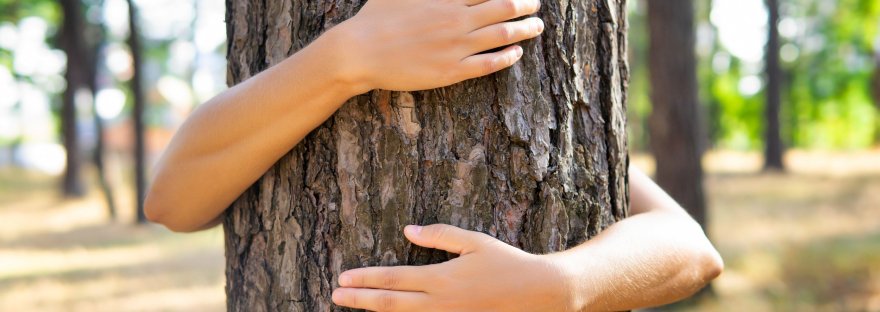
Person hugging a tree

Forest Bathing provides a unique opportunity to engage our senses fully. Joanna Macy encourages us to take steps to address the numbing and deadening effects that modern life can inflict on us. In the forest, we are invited to listen to the symphony of bird songs, inhale the intoxicating scent of pine, touch the rough bark of ancient trees, and savour the taste of fresh air. By attuning ourselves to the subtleties of nature’s sensory offerings, we awaken dormant aspects of our being and rediscover the richness of our embodied experience.

Cultivating Gratitude and Reverence

Joanna Macy also advocates for gratitude as a transformative force that can shift our consciousness from despair to empowerment. Forest bathing, as a practice of deep presence, fosters gratitude for the abundance and beauty of the natural world. As we bathe in the gentle sunlight filtering through the canopy or witness the intricate dance of leaves in the wind, we are reminded of the magnificence and generosity of nature. Such encounters invite us to cultivate a sense of reverence, nurturing a deep bond with the Earth and igniting our responsibility as stewards of the environment.

Healing and Resilience

In the face of ecological crises, Joanna Macy emphasises the importance of embracing our pain for the world, acknowledging the grief and despair that arise. Forest Bathing provides a safe and supportive container to process these emotions. As we surrender to the healing presence of the forest, we can find solace and restoration. The quiet whispers of the trees and the gentle flow of the river can serve as catalysts for inner healing, building emotional resilience, and inspiring compassionate action.

Final Thoughts

The Greening of the Self and the practice of Forest Bathing offer a profound pathway to personal and planetary healing. By reconnecting with nature and recognising our intrinsic interdependence with the natural world, we can experience a transformative shift in consciousness. This shift empowers us to take action, not only for our own wellbeing but for the wellbeing of the planet. As we embrace our ecological selves, we become active participants in the collective effort to create a sustainable future for generations to come.