

8th June 2023 by Hugh Asher, founder of the An Darach Forest Therapy organisation based in Scotland
In a world marked by rapid and increased urbanisation, technological advancements, and environmental challenges, it is easy to lose touch with our natural surroundings. However, the human-nature connection has been an intrinsic part of our existence since the dawn of humanity. Recognising this connection and building upon it can lead to both individual and planetary healing. This concept, often referred to as ‘The Greening of the Self’, has become a more mainstream focus of attention in recent years, drawing inspiration from the work of visionary thinkers such as Joanna Macy and influencing the nature-connection practice of Forest Bathing.
This article explores the concept of ‘The Greening of the Self’ and how Forest Bathing, guided by Macy’s teachings, can nurture personal transformation and ecological consciousness.
The Greening of the Self and the Work of Joanna Macy
At its core, The Greening of the Self is an invitation to rediscover our deep interdependence with the natural world and to acknowledge the impact our actions have on the environment. Joanna Macy, a renowned environmental activist and scholar, has played a pivotal role in popularising this concept. Macy’s work focuses on deep ecology and the exploration of our ecological identity. She proposes that by reconnecting with nature, we can experience a profound transformation, not only on an individual level but also in our relationship with the Earth.
Embracing the Great Turning
Joanna Macy’s philosophy revolves around the concept of the ‘Great Turning’, a shift towards a more sustainable and interconnected way of living. She emphasises the need for a deep ecological awakening, where we recognise ourselves as an integral part of the web of life. Forest Bathing, with its focus on mindful presence and communion with nature, serves as a gateway to this awakening. By immersing ourselves in the sensory wonders of the forest, we open our hearts and minds to the interdependence and interbeing of all living things.
Forest Bathing

Forest Bathing, or Shinrin-Yoku, is a transformational practice rooted in Japanese culture. It involves immersing yourself in nature, usually a forest environment, and mindfully engaging with the sights, sounds, and scents of nature. This practice is not just a leisurely walk in the woods; it is a purposeful and intentional way of connecting with the natural world. Research has shown that Forest Bathing has numerous physical, mental, and emotional benefits, including reduced stress levels, improved immune function, enhanced creativity, and a deeper sense of connection with the environment.
By immersing ourselves in nature, through the sights of lush greenery, the gentle rustling of leaves, the fragrance of wildflowers, and the feel of the earth beneath our feet, we are reminded of our intrinsic bond with the natural world. Through this reconnection, we begin to perceive ourselves as a more integral part of a larger ecological web, where every living being is interconnected and interdependent.
The Greening of the Self and Forest Bathing
The Greening of the Self and Forest Bathing have profound implications not only for our personal wellbeing but also for the health of the planet. As we deepen our relationship with nature, we develop a heightened sense of responsibility and stewardship towards the Earth. We become more aware of the consequences of our actions and the urgent need to address pressing environmental issues such as climate change, deforestation, and biodiversity loss.
This shift in consciousness calls for transformative action on a global scale. The Greening of the Self inspires us to engage in sustainable practices, advocate for environmental justice, and support conservation efforts. By cultivating a sense of an ‘ecological self’, we become catalysts for change, working towards a more sustainable and harmonious relationship with the Earth.
Reconnecting with Our Senses
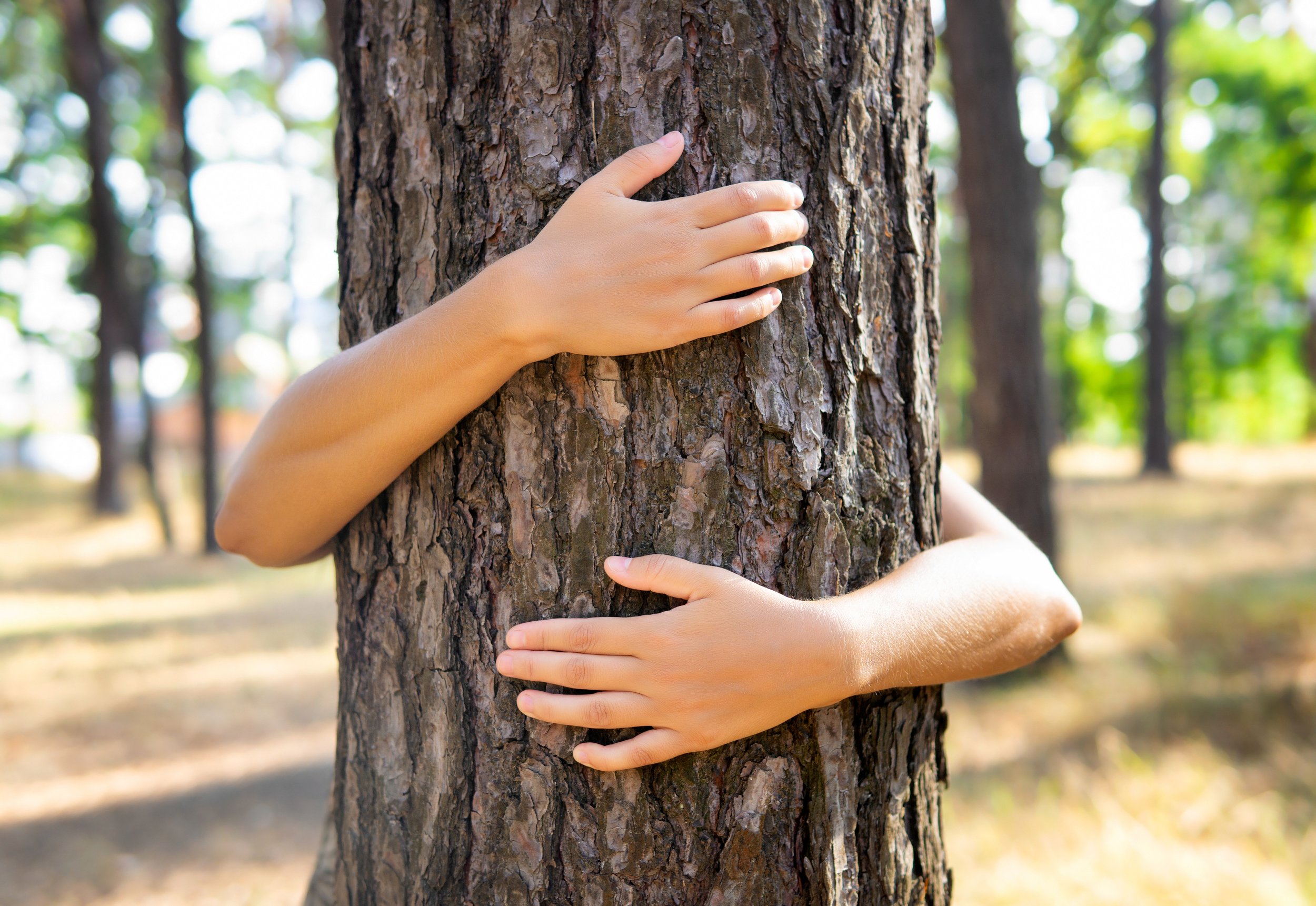
Forest Bathing provides a unique opportunity to engage our senses fully. Joanna Macy encourages us to take steps to address the numbing and deadening effects that modern life can inflict on us. In the forest, we are invited to listen to the symphony of bird songs, inhale the intoxicating scent of pine, touch the rough bark of ancient trees, and savour the taste of fresh air. By attuning ourselves to the subtleties of nature’s sensory offerings, we awaken dormant aspects of our being and rediscover the richness of our embodied experience.
Cultivating Gratitude and Reverence
Joanna Macy also advocates for gratitude as a transformative force that can shift our consciousness from despair to empowerment. Forest bathing, as a practice of deep presence, fosters gratitude for the abundance and beauty of the natural world. As we bathe in the gentle sunlight filtering through the canopy or witness the intricate dance of leaves in the wind, we are reminded of the magnificence and generosity of nature. Such encounters invite us to cultivate a sense of reverence, nurturing a deep bond with the Earth and igniting our responsibility as stewards of the environment.
Healing and Resilience

In the face of ecological crises, Joanna Macy emphasises the importance of embracing our pain for the world, acknowledging the grief and despair that arise. Forest Bathing provides a safe and supportive container to process these emotions. As we surrender to the healing presence of the forest, we can find solace and restoration. The quiet whispers of the trees and the gentle flow of the river can serve as catalysts for inner healing, building emotional resilience, and inspiring compassionate action.
Final Thoughts
The Greening of the Self and the practice of Forest Bathing offer a profound pathway to personal and planetary healing. By reconnecting with nature and recognising our intrinsic interdependence with the natural world, we can experience a transformative shift in consciousness. This shift empowers us to take action, not only for our own wellbeing but for the wellbeing of the planet. As we embrace our ecological selves, we become active participants in the collective effort to create a sustainable future for generations to come.


 Gaia Speaking